Your favorites

    Products can be favorited and requested, but not ordered directly. Prices are non-binding and may vary. Availability and conditions are determined when requesting from the wholesaler. Contact your wholesaler for current offers.

    Nudging in foodservice: small prompts, big impact

    What does nudging mean in foodservice?
    Why do guests choose one particular dish? Taste and price are not the only factors. Placement on the menu, order at the buffet and presentation at the serving counter also influence their decision.

    This is exactly where nudging comes in: small, targeted prompts can make certain options more visible and appealing – without limiting your guests’ choices.

    An example of nudging on the menu: 
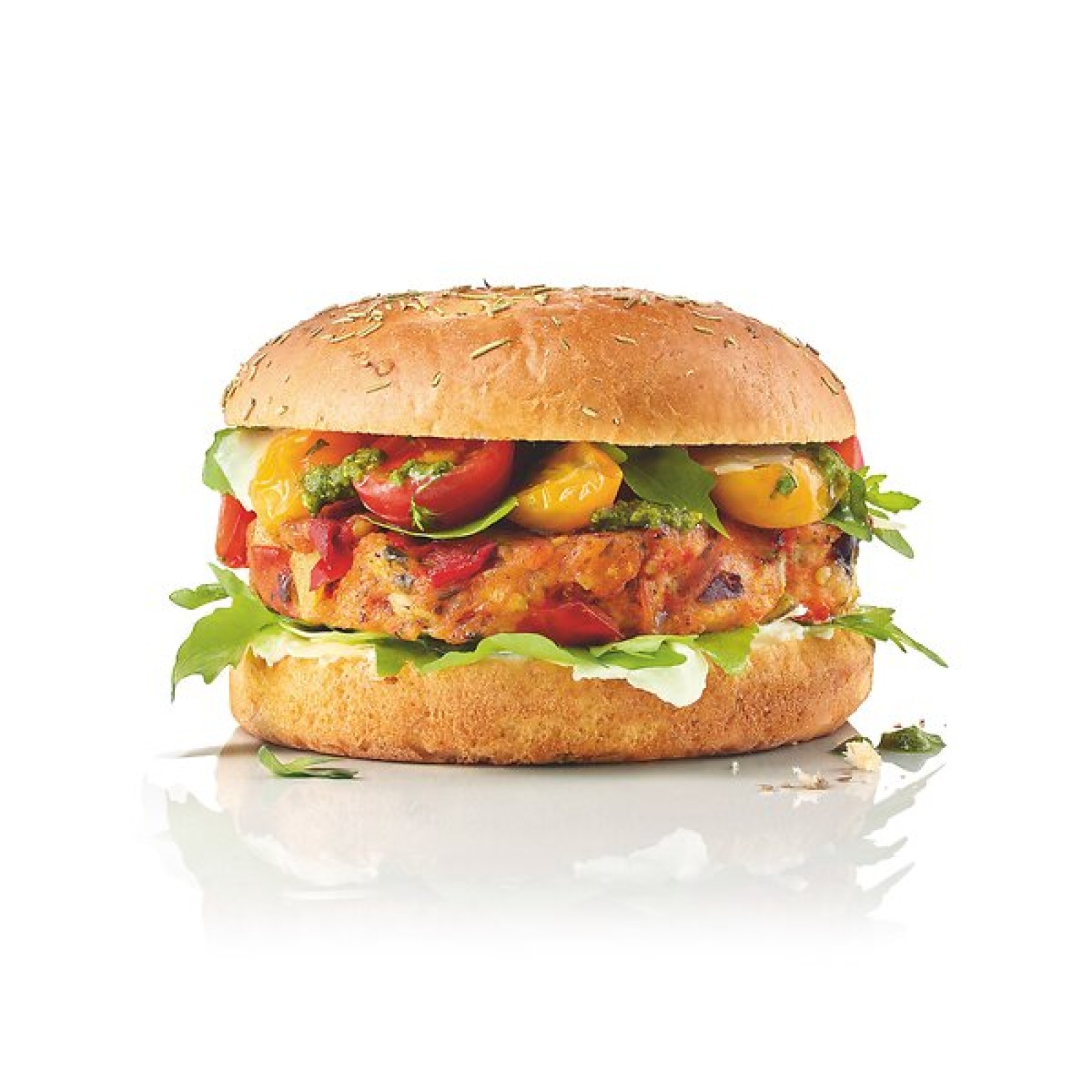
    The veggie burger is not hidden in a “Vegetarian” section, but placed alongside the most popular burgers. This way, it is seen not as a special substitute, but as a perfectly normal, appealing choice.

    Why is nudging worthwhile in foodservice?

    Nudging helps you make selected options more visible and appealing without completely changing your range. Even small adjustments can influence which dishes are chosen more often.

    Your benefits at a glance:

    • More attention for your offering: Products such as bowls, salads, veggie burgers and plant-based snacks are noticed more readily.

    • Easy to implement: New placements, better descriptions, small signs or a different buffet order are often all it takes.

    • Less food waste: Smaller dessert portions, appropriate plate sizes and a smarter buffet layout help reduce leftovers.

    • A contemporary offering: Plant-based and balanced dishes become a natural part of your range – without removing the classics.

    ein gutbesuchtes Event in einem kleinen cafe mit buffet.

    How does nudging work in practice?

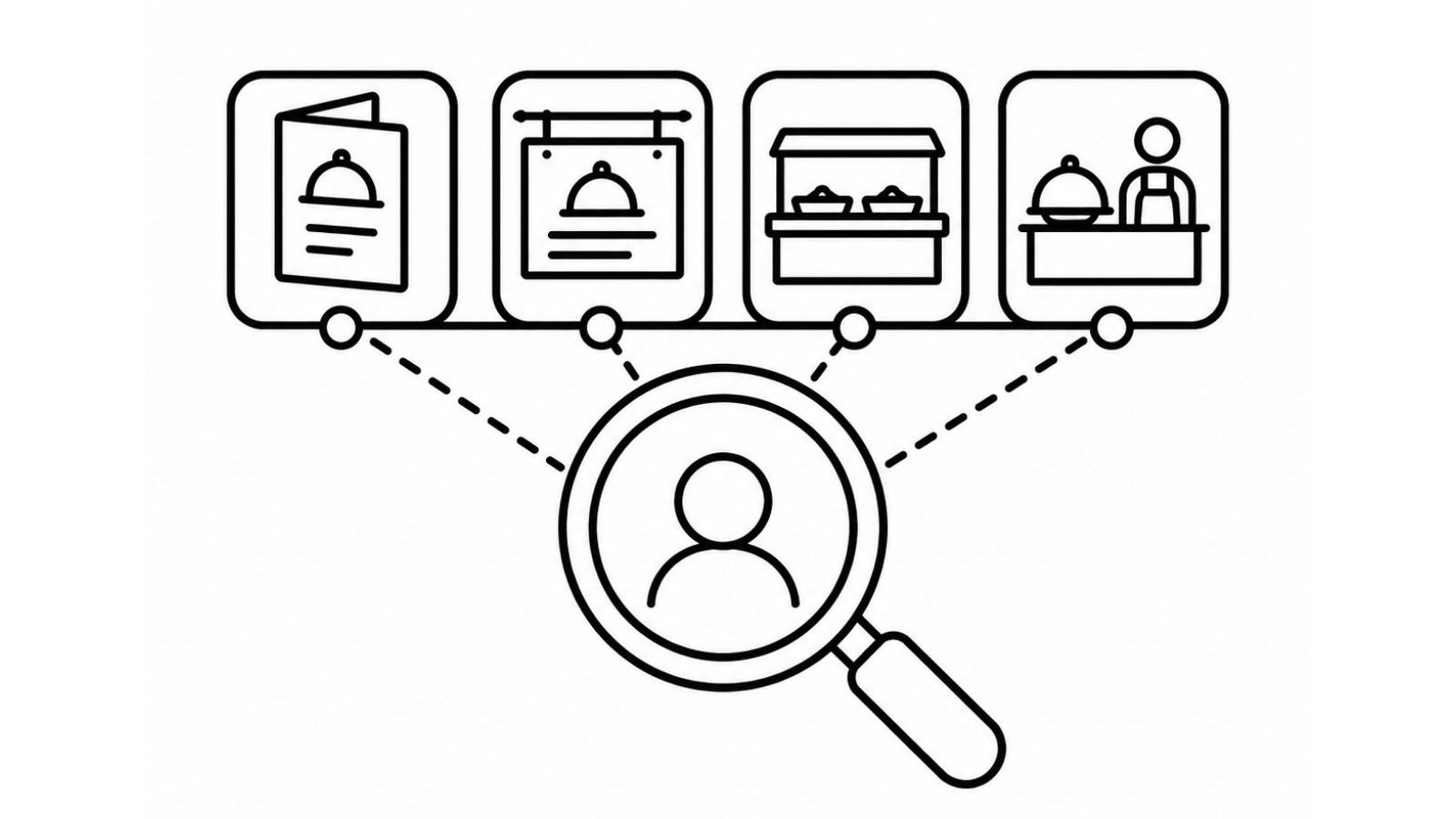
    Nudging comes into play wherever your guests make decisions: on the menu, at the buffet, at the serving counter or when ordering. Small changes are often enough to make certain dishes stand out more quickly and appear more appealing.

    Position selected dishes prominently

    Guests are more likely to notice what they see first. Place dishes you want to promote where they are easy to spot rather than at the edge or in a separate category.

    • Practical example:
      A seasonal bowl is not placed at the bottom of the menu board, but featured prominently at the top as “Today’s recommendation”.

    Use the order deliberately

    Order plays an important role, especially at the buffet or serving counter. What catches the eye first often lands on the plate first.

    • Practical example:
      Salads, vegetables and lighter side dishes are placed at the start of the buffet. In the canteen, the bowl of the day is presented right at the beginning of the serving line.

    Focus on appetite, not restriction

    The name of a dish can also influence how appealing it sounds. Put the focus on flavour, ingredients and preparation instead of terms such as “substitute” or “meat-free”.

    • Instead of: “Vegan snack”
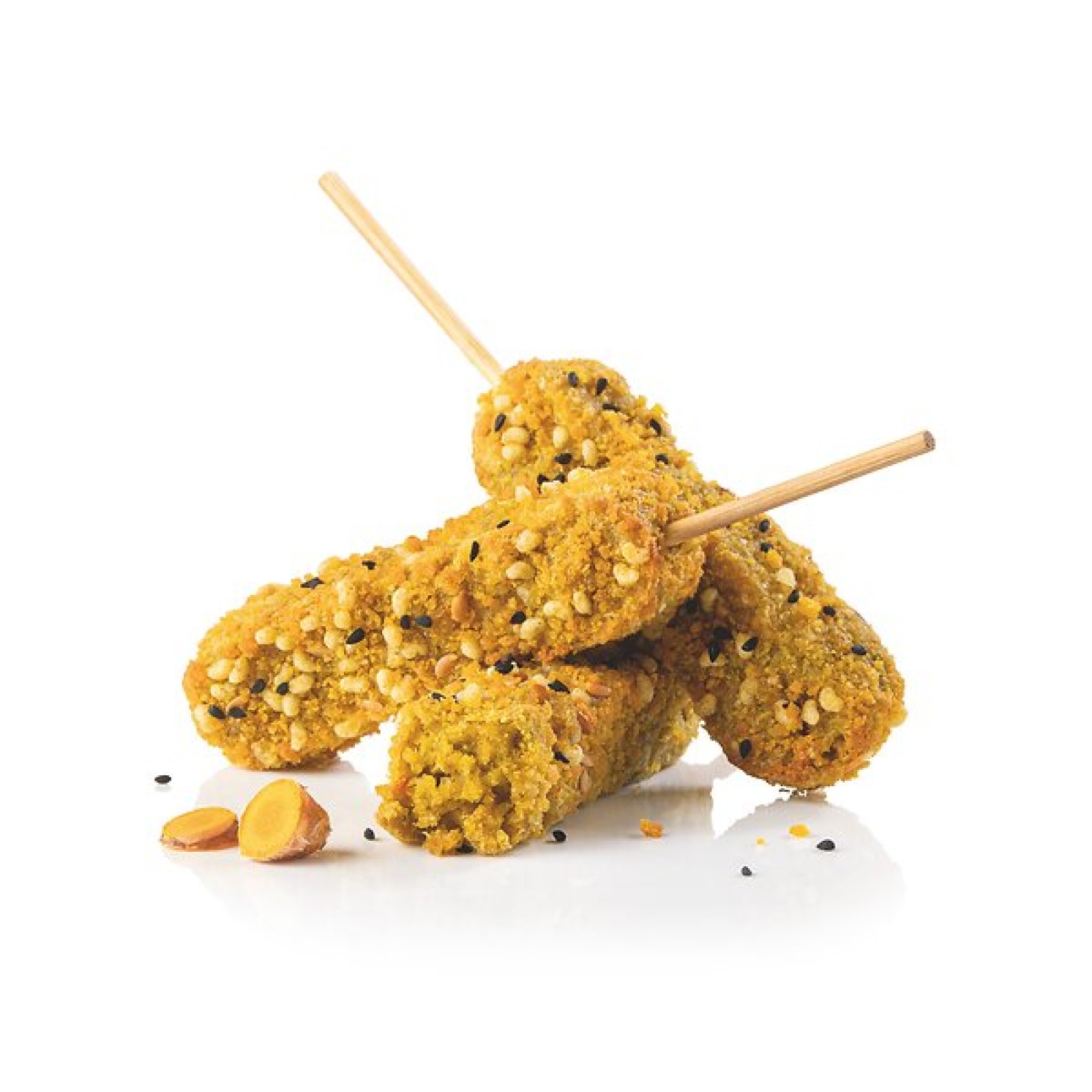
      Better: “Crispy vegetable sticks with curry dip”

    Make the easy choice the default

    Many guests choose the most straightforward option. You can therefore offer suitable sides or drinks as the default while keeping other options available.

    • Practical example:
      The burger meal comes with a small salad or roasted potatoes. Fries are still available on request.

    Design portion sizes thoughtfully

    Plates, bowls and portion sizes can also encourage more considered choices while helping reduce food waste.

    • Practical example:
      Side dishes are initially served in smaller portions. Guests can always come back for more.

    Use menu combinations strategically

    Cleverly composed menus make choosing easier and bring the products you want to promote into play.

    • Practical example:
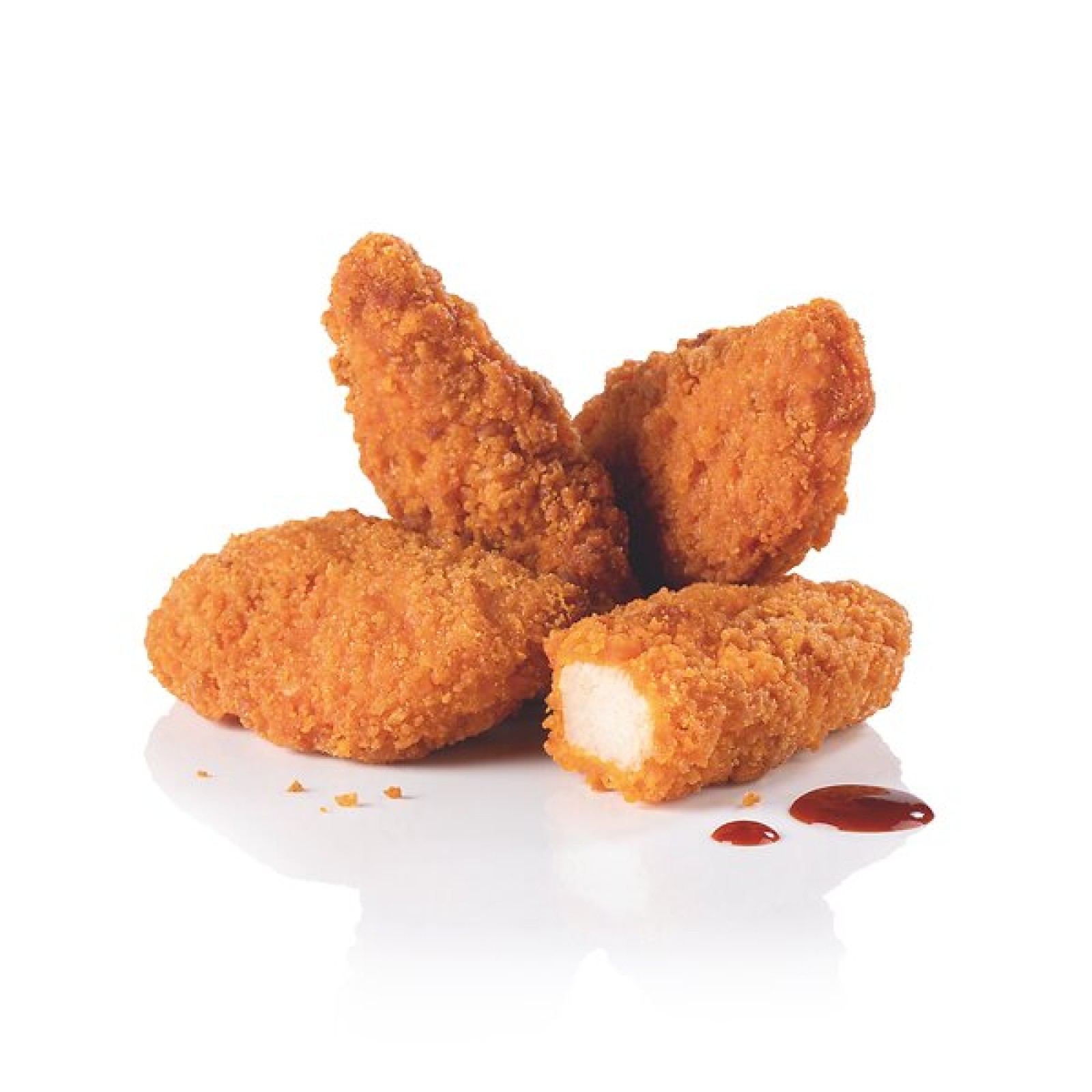
      In quick service, offer a lunch deal with crispy Chik’n Fingers, roasted potatoes and homemade lemonade.
      In the canteen, the balance menu combines the bowl of the day with water and a fruit cup.

    Here’s how easy it is:

    You don’t have to change your entire offering straight away. Start with one clear goal and test one small change in your operation.

    • nudging-schritt1

      Step 1:

      Decide what you want to promote: Consider which option you want to strengthen – for example a veggie burger, a bowl, salad as a side, water in a meal deal or smaller dessert portions at the buffet.

      nudging-schritt1
    • nudging-schritt2

      Step 2:

      Find the right decision point: Look at where and how your guests choose – on the menu, on the menu board, at the buffet or directly at the serving counter.

      nudging-schritt2
    • nudging-schritt_3

      Step 3:

      Test a simple change: Choose one straightforward change: better placement, a more appetising name, a recommendation sign, a different buffet order or a new default side dish.

      nudging-schritt_3
    • nudging-schritt4

      Step 4:

      Check the impact and optimise: Observe how your nudge affects your guests’ choices and adjust it further if needed.

      nudging-schritt4

    Practical nudging ideas for your operation

    On the menu & menu board

    Dishes you want to promote should catch the eye quickly and whet the appetite.

    Practical examples:

    • Place plant-based dishes directly among the classics instead of in a separate category.

    • Highlight a dish as “House recommendation” or “Today’s pick”.

    • Describe flavour and ingredients rather than what the dish leaves out.

    Example:
    Instead of: “Vegan burger”
    Better: Smoky vegan burger with BBQ sauce, crispy onions and crunchy coleslaw

    At the serving counter

    In canteens and staff restaurants, guests often decide within just a few seconds.

    Practical examples:

    • Place the bowl or plant-based dish of the day first.

    • Add a small sign such as “Today’s recommendation”.

    • Show the dish fully plated rather than presenting only the individual components.

    Canteen example:
    The Mediterranean bowl with grilled vegetables, couscous and herb dip is placed right at the start of the serving line, with a small recommendation sign beside it.

    At the buffet

    Here, order, visibility and portion size often determine what ends up on the plate.

    Practical examples:

    • Place salads, vegetables and lighter side dishes at the start of the buffet.

    • Offer desserts in smaller glasses. Guests can always take a second one.

    • Offer tasting portions so guests can try new dishes with no fuss.

    Breakfast buffet example:
    Fresh fruit salad, natural yoghurt and muesli are clearly visible at eye level. Sweet pastries remain available but are not presented first.

    In the takeaway and checkout area

    You can still influence choices just before guests pay.

    Practical examples:

    • Place fruit, small salads or plant-based snacks visibly and within easy reach.

    • Position products you want to sell more of at eye level.

    • Bundle complementary products into a ready-made snack or lunch combination.

    Takeaway example:
    A lunch box with falafel, vegetable sticks, dip and a small salad is ready to go in the chilled display – right next to the classic sandwiches.

    The right products for your nudging ideas

    A good nudge works particularly well when the offering also delivers on taste and is easy to integrate into your day-to-day kitchen routine.
    Whether burger, bowl, snack or side dish: versatile products let you try new dishes, present them attractively and place them firmly in your guests’ field of view.

    Burgers & menus: putting plant-based in the spotlight

    Place plant-based burgers among the classics or feature them as a house recommendation. This makes them feel like an appealing choice, not an alternative.

    For bowls, salads & lighter dishes

    Perfect for attention-grabbing daily specials, bowl concepts or an appealing presentation at the serving counter.

    Simply give it a try

    Nudging doesn’t have to be complicated. Start with one dish or one decision point in your operation and test a small change – for example a new placement, a more appetising description or a different default side dish.

    Observe what works for your guests and develop your ideas step by step. This turns small prompts into an offering that is easier to choose and fits your operation.

    Frequently asked questions

    What is nudging in foodservice?

    Nudging means using small, targeted prompts to make it easier for guests to choose. Examples include where dishes are placed, the order of items at the buffet, appealing descriptions and well-composed menus. Guests still retain complete freedom of choice.

    How does nudging work in foodservice?

    Nudging comes into play wherever guests make decisions – on the menu, at the buffet, at the serving counter or when ordering. Even small changes to visibility, order, naming or presentation can influence which options receive more attention.

    Is nudging manipulation?

    Nudging is not intended to force any decision on guests. All options remain available. Instead, the decision environment is designed so that certain choices are easier to notice or select.

    Is nudging only suitable for plant-based dishes?

    No. Nudging can support many different goals in foodservice. You can use it to make selected dishes more visible, encourage additional sales, make choosing easier or reduce food waste. Plant-based options are just one possible application; seasonal dishes, meal deals, side dishes, desserts and other offers can also be brought into focus.

    Can nudging increase sales of selected dishes?

    Nudging can help direct attention towards specific dishes or offers. The key is to test the effect in your own operation, for example by comparing sales figures or the share of orders before and after the change.

    How can nudging help sell more plant-based dishes?

    Plant-based dishes can be placed directly alongside familiar favourites, described in terms of flavour or included in appealing menu combinations. This makes them feel less like a separate special option and more like a natural part of the offering.

    Does nudging work in every foodservice operation?

    Not every measure works equally well in every operation. Guests, menus, locations and ordering situations differ. It is therefore best to test one measure first, measure the result and then continue optimising.

    How do I get started with nudging in my operation?

    Start with one clear goal – such as promoting a particular dish – and identify the relevant decision point. Then test one small change, observe the effect and refine it step by step.

    Any questions?

    We’re happy to help!